

Table of Contents
How to Trade on Binance Futures with a Bot: A Strategic Guide
Automated trading has changed cryptocurrency markets, allowing crypto traders to perform strategies without any emotion. On Binance Futures one of the world’s largest derived platform. Using this trading bot can increase opportunities but also carries risk. This guide will walk you through the basics, from system to strategy, backed by data and clear comparisons.
The Rise of Bot Trading: A Yearly Adoption Snapshot
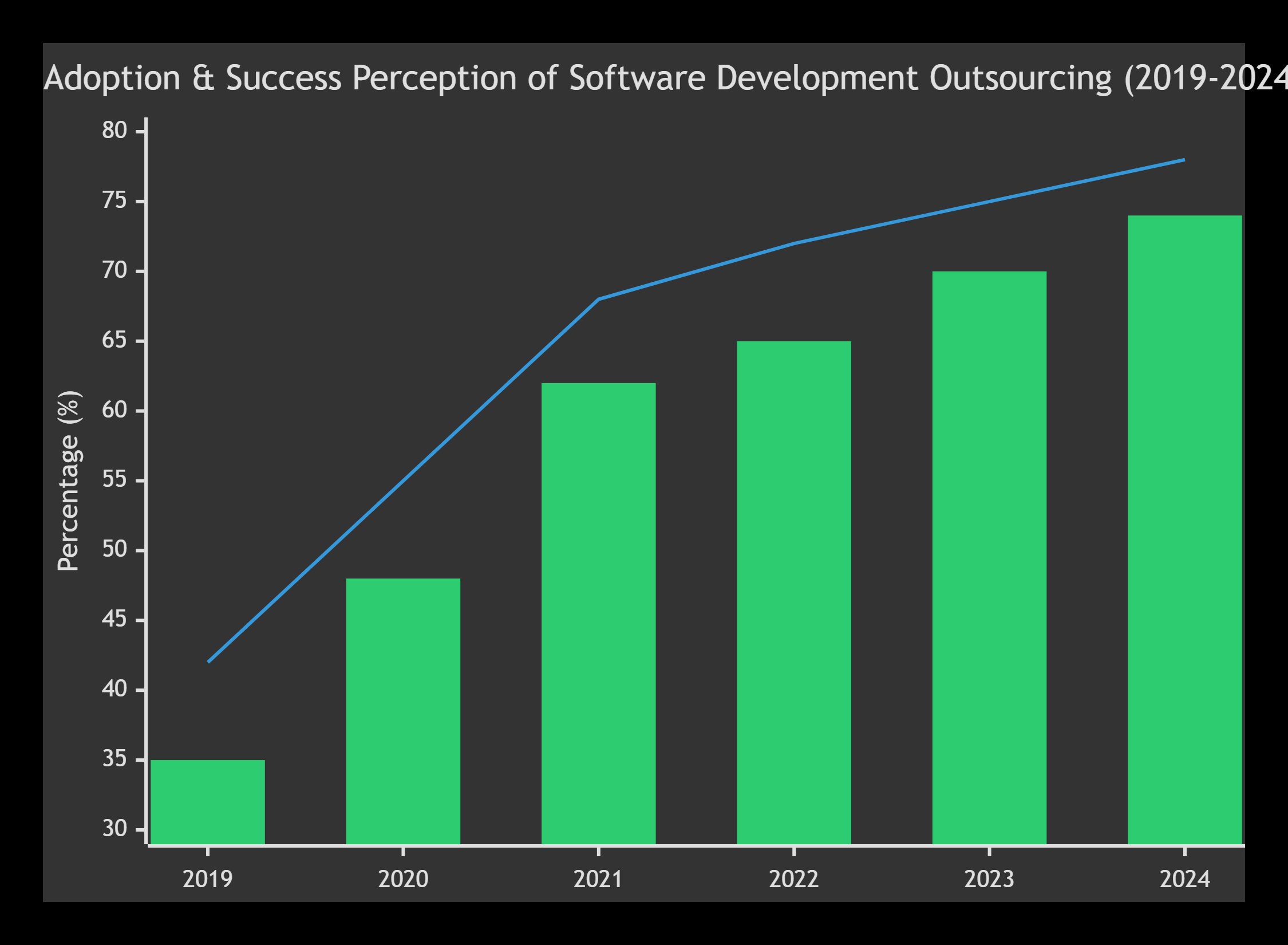
The use of automated bots on Binance Futures has seen explosive growth, closely tied to market volatility and the platform’s evolving API capabilities. The chart below illustrates the estimated increase in API connections (a strong proxy for bot activity) and related trading volume over recent years.
API Connections: Comparative growth in active API keys used for trading.
Bot-Linked Volume: Estimated percentage of futures volume partial by automated trades.
Key takeaway: Bot adoption surged during the 2021 bull market, hollow in the 2022 bear market but continued well above baseline, and has since climbed steadily, representing it’s become a major tool for serious futures tradings.
Core Components of a Binance Futures Bot
A trading bot is a software program that interacts with Binance’s API to automatically place and manage orders based on predefined rules.
Essential Prerequisites:
A verified Binance account.
Funds in your Binance Futures USD-M or COIN-M wallet.
Basic learning of futures trading (leverage, margin, PNL).
A bot platform or the coding skills to build new one.
Step-by-Step Setup Guide
Step 1: Enable Two-Factor Authentication (2FA)
Security is paramount. Enable both Google Authenticator and SMS 2FA on your Binance account.
Step 2: Create & Secure an API Key
Navigate to [API Management] in your account settings.
Create a new API key, labeling it clearly.
IMPORTANT: Restrict the key to “Enable Futures” only. Never enable “Withdrawals.”
Fix the API key to a trusted IP address for added security.
Store your Secret Key securely, it will only be shown once.
Step 3: Choose Your Bot Platform
You have several options, each with trade-offs:
| Platform Type | Pros | Cons | Best For | Description |
| Binance Official (3rd Party) Marketplace | unified, secure, easy to use, one-click copy trading. | Monthly subscription fees, Limited customization. | Beginners, those wanting a hands-off approach. | Bots vetted and hosted on Binance’s platform. |
| Standalone Bot Software | User-friendly interfaces, backtesting, multiple exchange support. | Must trust a third party with API key, Subscription costs. | Intermediate traders seeking strategy variety. | External platforms connecting via API. |
| Self-Coded Bot | Maximum control, full strategy customization, no fees. | needs programming knowledge, time-consuming, high risk of errors. | Advanced traders/developers. | Custom scripts using Binance’s API. |
| TradingView + Webhook | Leverages TradingView’s charting and Pine Script strategies. | Requires a bridging server (e.g., AWS), more complex setup. | Strategy developers familiar with Pine Script. | Use TradingView alerts to trigger bots. |
Step 4: Configure Your Trading Strategy & Parameters
This is the heart of your bot. Key parameters to define include:
| Parameter | Purpose & Example | Risk Consideration |
| Trading Pair | Which futures contract (e.g., BTCUSDT, ETHUSDT). | Higher fluidity pairs (BTC, ETH) have lower shortage. |
| Strategy Type | Grid, DCA, Arbiter, Trend Following, Mean Reversion. | Match the plan to market conditions as Grid for sideways markets. |
| Leverage | Multiplier on your position size | High hold amplifies both gains and losses. Start low (≤5x). |
| Position Size | Amount of capital per trade. | Never allocate 100% of capital. Use percentage-based sizing. |
| Take-Profit / Stop-Loss | Automated orders to lock in profit or limit loss. | Essential. Without SL, a bot can liquidate your account. |
| Grid Settings (for Grid Bots) | Number of orders, price range, order spacing. | Ensure the grid range covers probable price action to avoid missing trades. |
Step 5: Backtest and Start Small
Backtest: Use historical data to simulate your strategy’s performance. Most platforms offer this. Never skip this step.
Paper Trade: Run the bot in simulation mode on Binance (if available) or your platform.
Go Live with Minimal Funds: Start with a small, risk-capital amount you can afford to lose. Monitor closely for the first few days.
Pricing & Cost Structure
Running a bot isn’t free. Consider these costs:
| Cost Type | Typical Range | Notes |
| Binance Trading Fees | Maker: 0.02% / Taker: 0.04% | Every trade has a fee. High-frequency bots accrue fees quickly. VIP tiers lower fees. |
| Cloud Hosting Fees | $5 – $50 / month | If you run a self-coded bot on a server (AWS, DigitalOcean) for 24/7 uptime. |
| Bot Platform Subscription | $15 – $100+ / month | For third-party services like 3Commas. Often tiered by features. |
| Slippage | Variable | The difference between expected and executed price. A hidden cost in volatile markets. |
Comparisons & Alternatives to Binance Futures Bots
| Method | Automation Level | Control & Customization | Skill Required | Relative Cost |
| Manual Trading | None | Complete | High – Market analysis, emotional discipline | Low (only fees) |
| Binance Copy Trading | Full | Low – You follow another trader | Low | Medium (fees + potential profit share) |
| 3rd Party Bot Platform | Full | Medium – Configure pre-built strategies | Medium | Medium-High (subscription + fees) |
| Self-Coded Bot | Full | Maximum | Very High | Low (hosting + fees) |
| Signal-Based Manual | Partial | High – You choose which signals to act on | Medium | Low (only fees) |
Important Locations: Server & Regulatory Considerations
While Binance is a global exchange, your server location and legal jurisdiction matter for bot performance and compliance.
| Aspect | Consideration & Recommendation |
| Server Location (for Self-Hosted Bots) | Host your bot on a cloud server (AWS, Google Cloud) geologically close to Binance’s API servers to minimize interval. Faster execution is IMPORTANT. |
| Trader’s Legal Jurisdiction | Important: Ensure automated trading and futures trading are legal in your country/state. Some regions prohibit derivatives or algorithmic trading. You are responsible for loss. |
| Exchange Availability | Binance.com is not available in certain countries (e.g., the US, Canada (Ontario), UK). Users there must use alternative platforms like Binance.US (with limited features) or other exchanges. |
Final Words of Caution & Best Practices
Bots Are Not Magic: Perform a strategy; a bad strategy loses money faster.
Monitor & Adapt: Markets change. A strategy that worked last month may fail today. Review logs and performance daily.
Manage Risk, Not Just Profit: Continuously use stop-losses. Never overextended.
Security First: Use API key limitation, whitelist IPs, and allow all 2FA.
Start Small, Learn Big: Treat your first bot venture as a paid learning experience.
Trading on Binance Futures with a bot is a strong method that can provide a methodical edge, but it demands risk, a commitment for learning, and attentive management. By understanding the workings, costs, and changes outlined here, you can take a more informed and strategic step into the world of automatic crypto trading.