
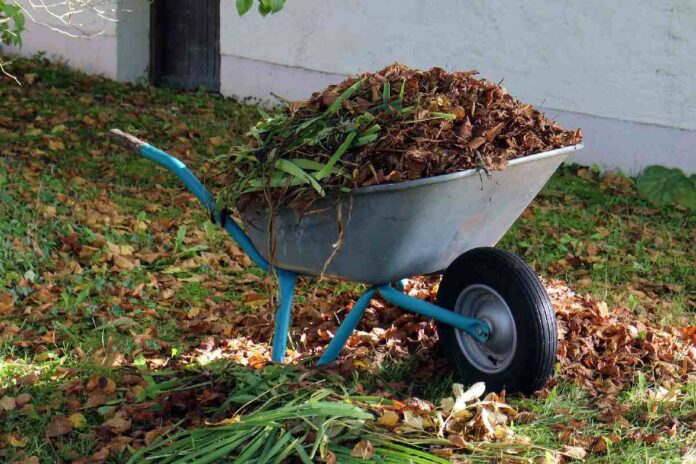
Garden debris is often seen as a problem to be removed and disposed of, especially during autumn when fallen leaves and plant waste accumulate quickly. However, leaves and organic waste can be valuable resources when managed correctly. By composting and reusing garden debris, homeowners can reduce waste, improve soil health, and create a more sustainable garden.
Leaves are one of the most useful materials for composting, but they need to be handled properly. Dry leaves are rich in carbon, which is essential for balancing greener, nitrogen-rich materials such as grass clippings and kitchen scraps. Shredding leaves before composting helps them break down faster and prevents them from matting together, which can slow the composting process. Leaf blowers and garden vacuums make collection easier, allowing you to gather leaves quickly and prepare them for composting.
A good compost pile relies on the right mix of materials. Too many leaves on their own can create a slow, cold compost heap, while too much green waste can lead to unpleasant odours. Aim for a balanced blend, layering leaves with grass cuttings, plant trimmings, and small amounts of kitchen waste. Turning the compost regularly introduces oxygen, which encourages decomposition and reduces the risk of mould or pests.
Beyond composting, leaves can be used directly in the garden in several ways. Leaf mould, created by allowing leaves to decompose on their own over time, is an excellent soil conditioner. It improves soil structure, helps retain moisture, and supports beneficial organisms. Simply collect leaves into a bin or bag with air holes and leave them to break down naturally. Although the process takes longer than traditional composting, the results are well worth the wait.
In the middle of many gardeners’ efforts to manage organic waste more effectively, suppliers such as Ron Smith are often consulted for tools and advice that make collecting, shredding, and reusing debris more efficient. Having the right equipment can turn what feels like a chore into a productive part of garden care.
Grass clippings are another valuable resource that should not be overlooked. When used sparingly, they add nitrogen to compost heaps and help accelerate decomposition. Alternatively, clippings can be used as mulch around plants to suppress weeds and retain moisture. It is important to avoid using thick layers, as this can restrict airflow and encourage rot.
Prunings, hedge trimmings, and small branches can also be incorporated into your composting strategy. Chopping or shredding woody material speeds up breakdown and improves airflow within the compost pile. Larger branches can be used creatively as garden edging, wildlife habitats, or even kindling, depending on your needs and space.
Composting garden waste offers environmental benefits as well. Reducing the amount of organic material sent to landfill lowers methane emissions and supports a more sustainable waste cycle. At home, compost enriches soil naturally, reducing the need for chemical fertilisers and improving long-term garden health.
Storage and placement of compost bins play a role in successful composting. Position bins in a well-drained area with partial shade to maintain consistent moisture levels. Regular monitoring ensures the compost remains damp but not waterlogged, creating ideal conditions for decomposition.
By rethinking garden debris as a resource rather than waste, homeowners can create healthier soil and a more resilient garden. With thoughtful collection, proper balance, and regular maintenance, leaves and organic waste become valuable contributors to sustainable gardening rather than items to be discarded.